



Packaging Design
Packaging design at We Craft Studio covers the research, structure, graphics and print files for one product or a full range. Before any styling, we build a packaging skeleton: a grayscale blueprint at the exact pack size with every mandatory zone in place. Concepts then go onto realistic mockups and printed prototypes, and the final files go to your printer ready to print.
The packaging projects we take on
New brands we build from scratch, pack included. Existing brands that need further development, such as a new line or a better pack for a product that already sells. And existing brands that need a complete refresh because the pack no longer matches the product inside it.
What is a packaging skeleton?
A packaging skeleton is a grayscale blueprint of the pack at its exact dimensions, drawn before any color, image or styling. It places every mandatory zone (logo, product name, claims, barcode, nutrition table, legal text) and sets a clear hierarchy between the brand zone, which stays the same across the range, and the product zone, which changes per variant. We start there because a pack that fails in grayscale won’t be saved by color; once the structure works, the design can take risks without hiding what shoppers and regulators need to read.
Monolithic, hybrid or custom: choosing the range architecture
A range needs a rule for how much each pack can change. Packaging ranges follow one of three brand architecture types:
- Monolithic: one rigid system for every product. It gives the strongest recognition on the shelf.
- Hybrid: a standard framework, with room for each line to show its own character.
- Custom: each line gets its own look, tied to the brand by shared anchors such as the logo position or a signature color.
We help you pick the one that fits your range and your plans for it, because that choice decides how easily you add a product next year.
Labels for every market
We lay out labels for the markets you sell in, including Arabic text for the Gulf and the EU’s food information rules, and we flag what your regulatory advisor or importer should confirm. Coffee, pizza flour, gelato, socks: we’ve designed packaging for each of them, and the details change every time.
-
Brand, market and category research
Conceptual and visual research into your category, so the design draws on real codes and stories rather than guesses.
-
Range architecture
A clear choice between a monolithic, hybrid or custom system, so every new product slots into the range.
-
Packaging skeleton
A grayscale blueprint at the exact pack size with every mandatory zone placed, so the hierarchy works before any styling.
-
Moodboards
Distinct visual directions to agree on a mood before concepts start, so feedback is about the brand and not about taste.
-
Pack design on every side
Front, back and sides with a hierarchy shoppers read in seconds, and labels laid out per market in English, Arabic or both.
-
Realistic mockups and printed prototypes
Concepts shown in a lifestyle setting, then printed and fitted on the real product to check sizes before production.
-
Dielines worked out with your printer
We work out dielines with your printer or supplier, check what their machines and finishes can do, and answer their questions directly.
-
Print-ready files and extra assets
CMYK files with exact sizes and dielines, plus the boxes, sachets, bags and other pieces your launch needs.
-
Discovery
A discovery call, then research on your brand, your market and the category you sell in.
-
Brand questionnaire
A questionnaire written for your brand, never a generic form. For an existing brand, we also get the physical product in hand.
-
Research and skeleton
Conceptual research (story, culture, category history) and visual research (codes, references), then the pack's anatomy and its grayscale skeleton at exact dimensions.
-
Moodboards
Distinct directions to align with you on mood, color and tone before any concept work.
-
Concept sprints
The team explores concepts, our creative director reviews them, the team critiques them, and only the strongest reach you.
-
Presentation and prototypes
Concepts on realistic mockups in a lifestyle setting, plus printed prototypes to check sizes on the real product.
-
Refinement
Feedback rounds as agreed. We clarify each comment until the real need is clear: "logo too small" often means "more shelf visibility".
-
Production
Finishes chosen with your printer to lift the pack, print-ready files (CMYK, sizes, dielines), extra assets such as boxes, sachets and bags, and a check-in after launch.
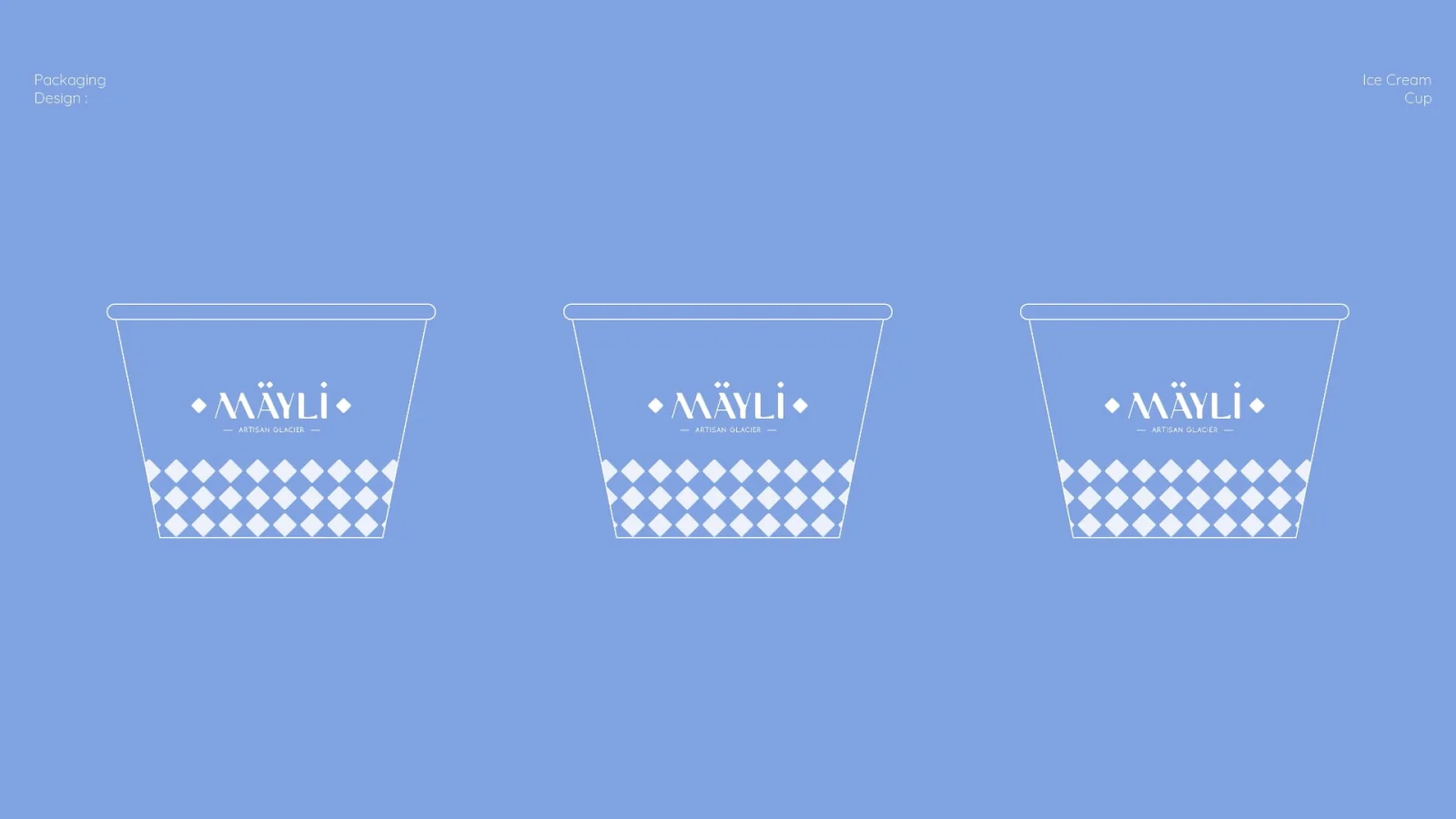
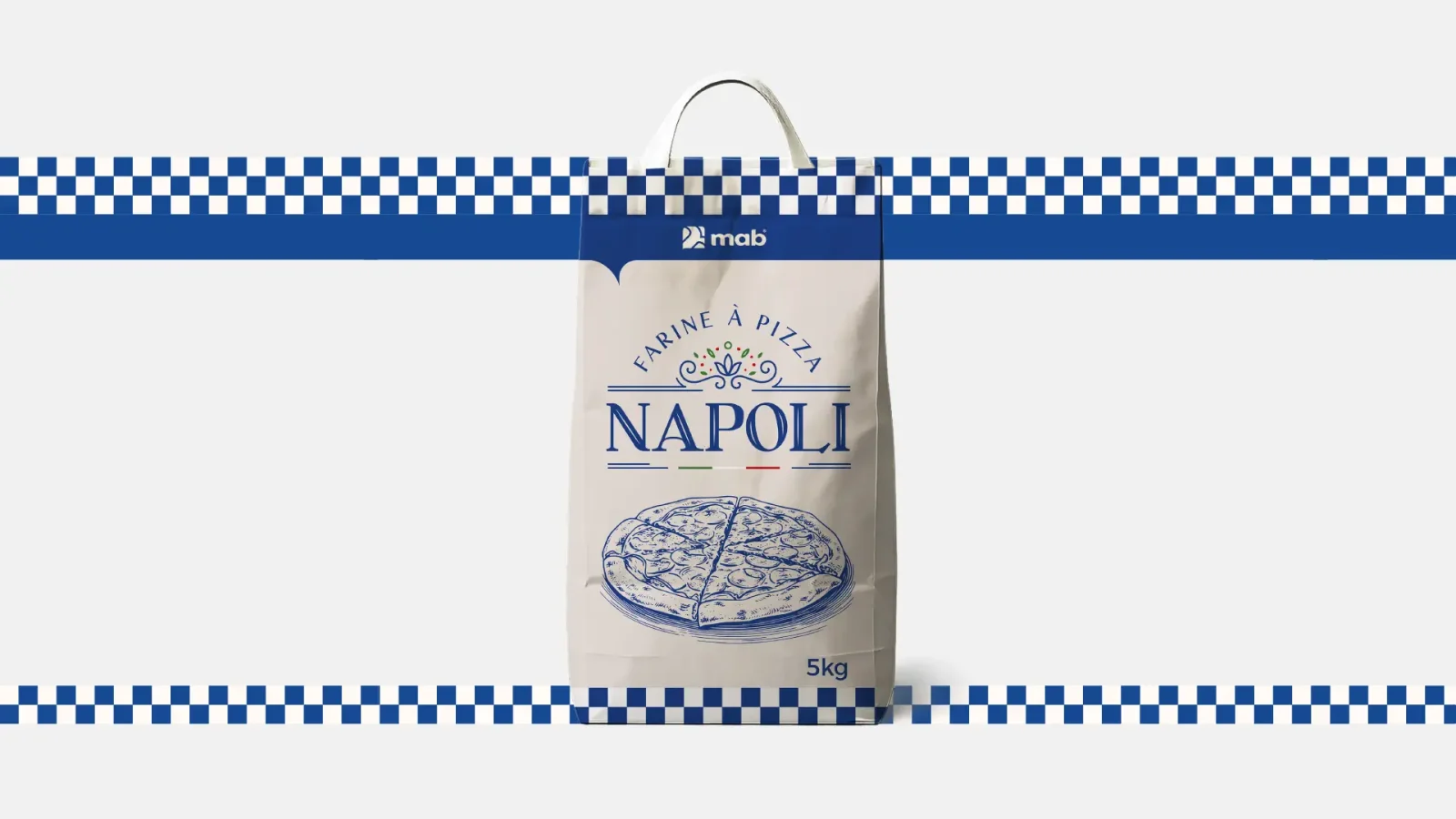
A packaging design agency researches the category, plans the pack's structure and hierarchy, designs the graphics and labels, and prepares print-ready files. We Craft Studio does all of it for single products and full ranges, and works directly with your printer on dielines and finishes.
A grayscale blueprint of the pack at its exact dimensions, made before any styling. It places the mandatory zones (logo, product name, claims, barcode, nutrition, legal text) and separates the brand zone from the product zone, so the structure works before the design starts.
They are three ways to organize a packaging range. Monolithic uses one rigid system for every product and gives the strongest recognition. Hybrid keeps a standard framework with flexibility per line. Custom gives each line its own look, held together by brand anchors.
It depends on the number of products and formats. A single pack moves faster than a range of many SKUs. You get a clear schedule in our proposal, including time for prototypes and printer proofs.
Yes. We design bilingual Arabic and English packs and lay out labels with the Arabic text Gulf markets expect. Your regulatory advisor or importer should confirm the final legal wording.
Yes. We work out dielines with your printer or supplier, check their capabilities and finishes, and answer their questions directly. Print and production coordination is available as an add-on service.
Yes. We keep the cues people already look for, such as a color, a shape or the logo position, and change what holds the pack back, so regular buyers still find you on the shelf.
We quote after a short discovery call, based on the number of products, formats and markets.